

The World Health Organization (WHO) African Region has raised alarm over the growing threat posed by climate change, flooding, and population displacement, warning that these factors are driving the spread of cholera and other deadly infectious diseases across the continent, especially in Southern Africa.
Speaking during a monthly WHO Africa media dialogue, Dr Abdourahmane Diallo, Director of Programme Management at WHO Africa, said climate-related shocks have become one of the most significant drivers of public health emergencies in the region.
“Cholera is closely linked to unsafe water and poor sanitation. Climate change is worsening these risks through flooding and population displacement,” Dr Diallo said.
“Preparedness saves lives, and sustainable, integrated responses are essential to protect vulnerable communities.”
Recurrent floods are contaminating water sources, destroying sanitation infrastructure, and forcing families into overcrowded and unsanitary settlements—conditions ideal for the transmission of cholera and other water-borne diseases.
Countries such as Mozambique and South Africa continue to experience rising health needs following severe flooding, with many affected communities lacking access to clean drinking water, functional sanitation facilities, and emergency health services.
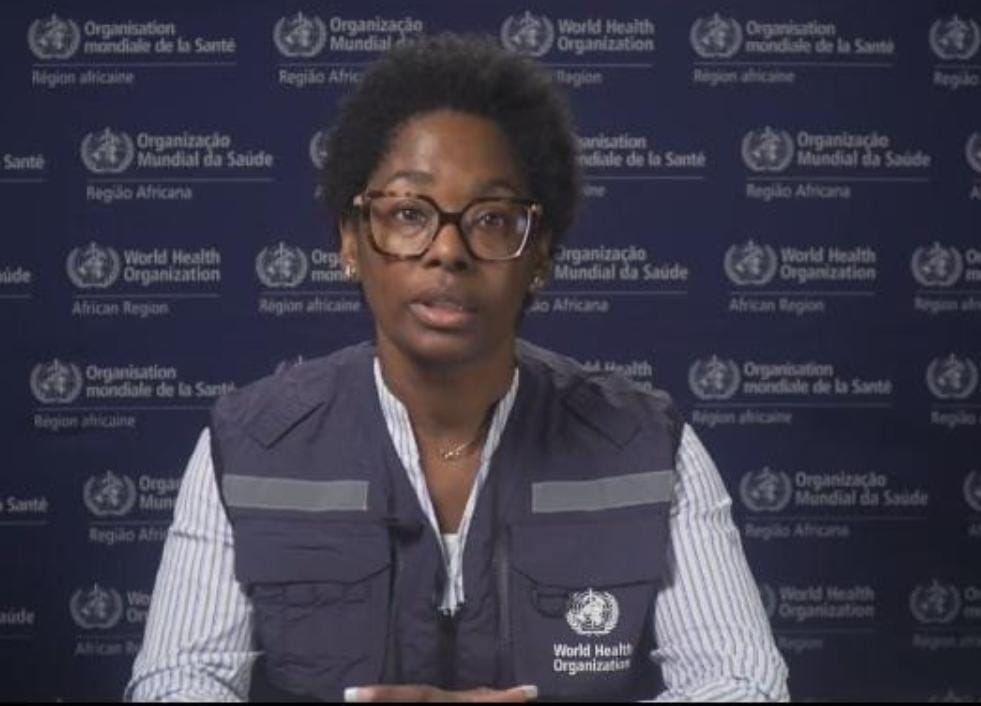
Dr. Marie Roseline Belizaire, WHO Africa Regional Emergency Director, noted that the current wave of health emergencies disproportionately affects children, women, and older persons, particularly those living in displaced or hard-to-reach communities.
WHO is working with ministries of health, regional authorities, and partners to strengthen cholera response through technical support, emergency medical care, immunisation, mental health and psychosocial services, and enhanced community engagement.
“We are supporting countries to work with local authorities and communities so people know when and where to seek treatment,” Dr. Belizaire said. “Timely care and accurate information save lives.”
WHO reported that Africa continues to grapple with multiple overlapping disease outbreaks. In 2025 alone, the region recorded over 100 public health emergencies and 12 major humanitarian crises, including four outbreaks of hemorrhagic fevers.
Cholera continues to affect several countries, while mpox has recorded more than 25,000 cases and deaths.
Although mpox transmission has slowed, 16 countries are still reporting new infections, while Ethiopia has not registered new Marburg virus cases.
Other persistent threats include diphtheria and Rift Valley fever, with ongoing humanitarian crises further complicating the situation.
In Sudan, conflict has displaced over four million people, increasing vulnerability to disease outbreaks. Internal conflicts in the Democratic Republic of Congo have also heightened public health risks.
WHO is collaborating with partners such as the Africa Centres for Disease Control and Prevention (Africa CDC) to strengthen laboratory networks, improve disease surveillance, and enhance community communication to reduce stigma and ensure early detection of outbreaks.
The organisation reaffirmed its commitment to expanding access to safe water and sanitation, strengthening health systems, and building resilience against climate-related health emergencies across Africa.
